42 Seconds of My Father's Voice, Typed Out Word for Word, Changed How I Write Forever
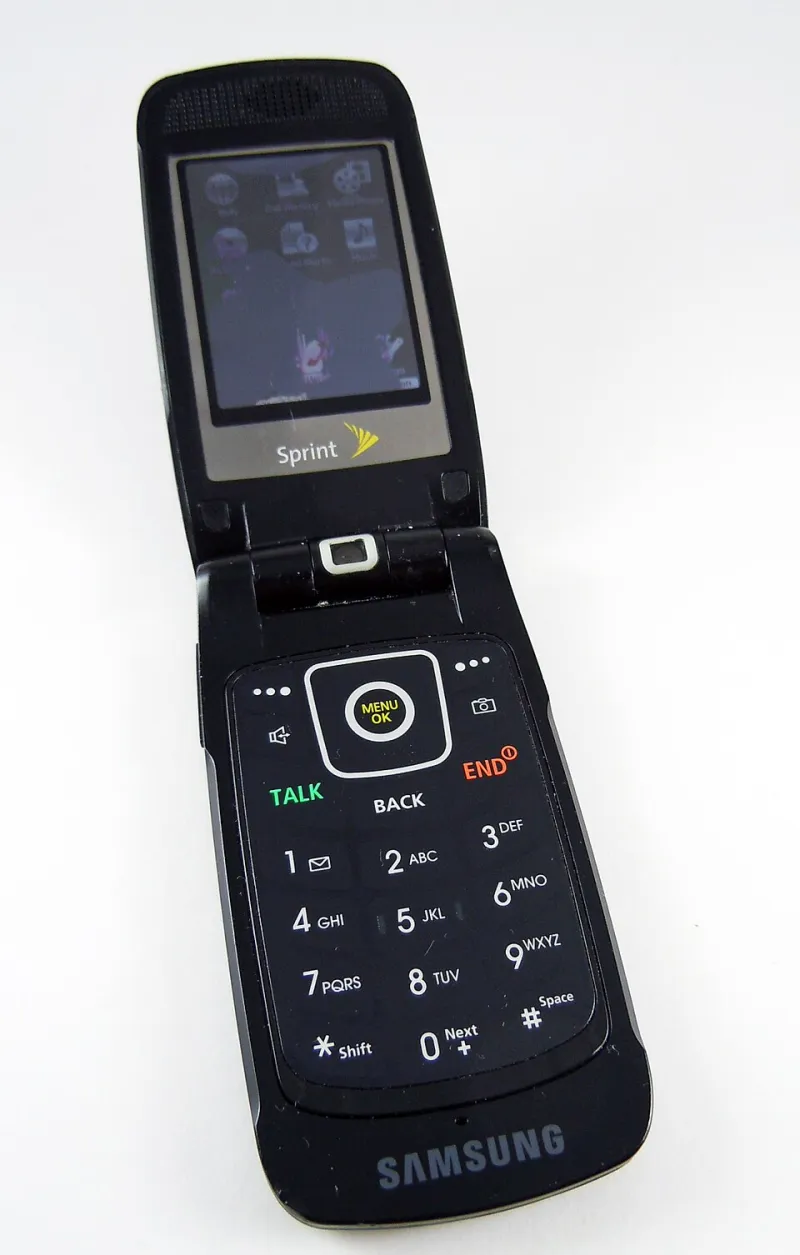
Photo: Joe Loong from Reston, USA, CC BY-SA 2.0, via Wikimedia Commons
My father has been gone for eight years, and I still have his voicemail. Forty-two seconds long. Left on a Tuesday in October, back when my phone still let me keep things without the cloud deciding otherwise.
For a long time, I couldn't press play. It sat there like a jar you're afraid to open because the smell will take you somewhere you're not ready to go. Then one night in a motel outside Flagstaff — I was driving back from a wedding, nothing special — I played it. Then I played it again. Then I did something stranger: I opened my laptop and typed out every single word.
That transcription wrecked me. Professionally speaking, I mean.
What He Actually Said
Here's a sample, cleaned up as little as possible:
"Ron — hey, it's Dad. It's, uh, Tuesday. Obviously. Listen, I was calling about — hold on. [pause] The thing I meant to say is Mom wants to know if you're coming for the, the thing, the barbecue, whatever we're calling it. Anyway. Anyway! Call me back. Or don't. No — do. Okay. Bye."
If I handed that to a fiction workshop, they'd bleed it. Cut the "uh." Kill the repeated "anyway." Tighten the false start about the barbecue. Make him sound decisive, warm, clear.
And they'd be wrong to. Because that mess IS my father. The repetition, the trailing off, the joke buried in the middle, the gruff "or don't — no, do" — that's the whole man in forty-two seconds. A polished version would sound like an actor playing him. The transcript sounds like him.
The Lie We're Taught
Somewhere along the way, most of us absorbed the idea that good dialogue is efficient dialogue. Every line advances the plot. Nobody stammers. Nobody circles back. Characters answer questions directly and mean exactly what they say.
Real people don't do that. Real people start sentences over. They answer "How are you?" with "Can't complain" even when they absolutely could complain. They say a name wrong on purpose and then laugh at their own joke before the punchline lands.
The first draft of my novel had characters who talked like they were auditioning for a play. Everyone spoke in complete, elegant thoughts. A mentor read twenty pages and said, "Nobody in this book has ever been to a Waffle House at 2 a.m." She was right. My people were too articulate to be alive.
Listening Is the Research
Here's what I wish someone had told me earlier: dialogue isn't an invention problem. It's a listening problem.
You don't need a better imagination. You need better ears. Sit in a diner in Dayton or a DMV line in Sacramento or your own kitchen, and just — take notes. Not on what people are saying. On HOW. The way "well" does all the work of a whole paragraph. The way arguments never stay on topic. The way people say "I'm just saying" when they've said something they know is a little much.
The voicemail taught me three concrete things I now use in everything I write:
- Interruptions of self matter more than interruptions by others. My father cut himself off twice. That's rhythm. That's real.
- Repetition is character. When someone says "anyway" twice, that's not a typo. That's a person who needs to steer back to safe ground.
- What's not said is the scene. He never once said he missed me. The whole message was a way of saying it without saying it. That's the dialogue you should be writing.
The Transcription Challenge
After that night in Flagstaff, I started a small practice. Every few months, I transcribe one real conversation — a voicemail, a voice memo, a coffee chat with a friend I ask permission to record. I type it exactly, no cleanup. Then I read it cold, like fiction.
It's humbling every time. My ear is worse than I think. My invented dialogue is too smooth. And every transcript gives me at least one phrase I'd never have made up but would swear by now is gold.
So here's my challenge: find one recording of a real person talking to you. A voicemail, a video, an old voice memo. Transcribe it word for word. Don't fix anything. Then read it as if a character said it.
I'd bet money you'll hear something you've been smoothing over for years. And I'd bet twice as much that somewhere in that mess of hesitations and reruns, you'll find the truest line of dialogue you've got.
My father's voicemail is backed up in three places now. I've stopped being afraid of it. It's become the best writing craft book I own — forty-two seconds, no chapters, no exercises. Just a man saying "anyway" twice, and meaning everything.