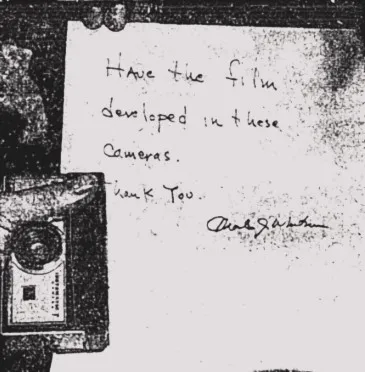
The Rejection Letter That Read My Story Better Than I Did
One form rejection out of dozens hid a single handwritten line that changed how I write forever. Here's how to spot the critique you're avoiding — and what to do with it.
Stories, ideas, and creative work from Ron Leigh
One form rejection out of dozens hid a single handwritten line that changed how I write forever. Here's how to spot the critique you're avoiding — and what to do with it.
I banned invented characters from my desk for twelve months and wrote only about real people, real conversations, and real diners. It fixed my craft, complicated a few friendships, and taught me what fiction was actually for.
Ten years of reader emails, DMs, and handwritten notes had piled up in a folder I was too chicken to open. So I spent a long weekend answering every single one — and learned more about my own work than I did in a decade of writing it.
I picked a single paragraph and rewrote it every morning for a month, keeping every version like a lab sample. Somewhere around day nineteen, the paragraph stopped listening to me — and started teaching me instead.
I took one embarrassing afternoon from my own life and rewrote it as noir, horror, romance, a Western, and five other genres just to see what would happen. What I learned is that genre isn't a costume — it's a scalpel.
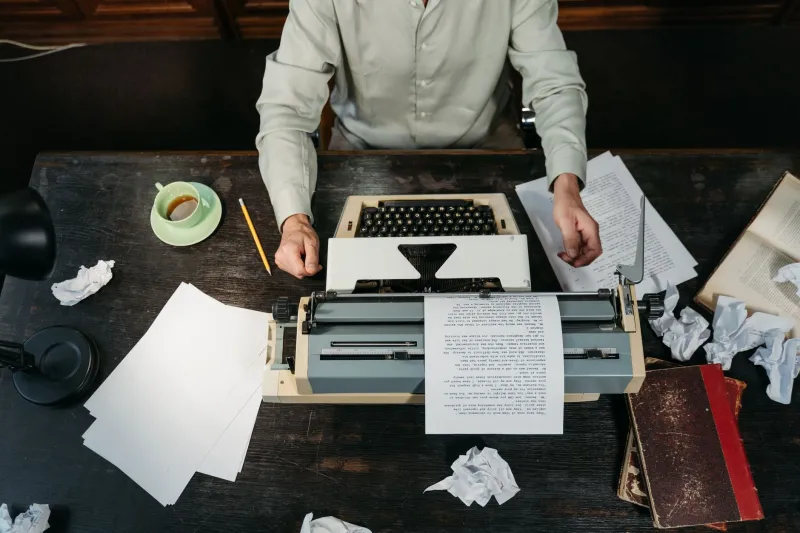
One folding table, a beat-up typewriter, and a hand-lettered sign: 'Tell me your story, I'll write your letter.' Forty-two people sat down. Here's what they wanted the world to know, and what they couldn't quite say themselves.
For one full year, every big call on my newsletter — the name, the send time, even the sign-off — came from readers. Here's what happened when I stopped gripping the wheel.
I gave myself one day at Denver International to write an entire story using nothing but dialogue I overheard in the terminal. Here's what airport strangers taught me about plot, ethics, and how much of life is already a first draft.
I spent one week writing nothing of my own — every story had to open with a phrase I found abandoned somewhere: a grocery list, a bus stub, a scribble in a library book. Turns out strangers write better first lines than I do.
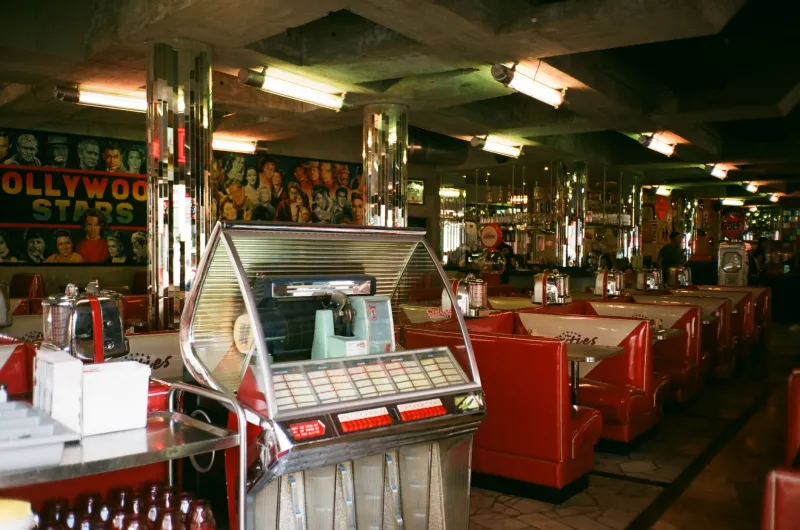
Every Tuesday, I spend four bucks at a diner booth and hash out my biggest decisions with the only person who really knows the stakes: me. Turns out a change of scenery beats any app with a notification badge.
For thirty days, I let cashiers, bus drivers, and party guests name every character in my fiction. The names I never would've picked turned out to be exactly what the stories needed.
My laptop gets the credit, but the real crew on this desk is analog: a bent ruler, a thrift-store lamp, a shoebox of index cards. Each one has a project attached to it, and each one has earned its permanent spot.
Last Tuesday I brought one piece of writing from each decade of my life to the coffee shop on Fifth Street and read them in order, iced tea sweating on the table. Some of it burned. Some of it surprised me. All of it taught me more than any workshop ever did.
Somewhere between a roadside diner in Nebraska and a motel pool in Bakersfield, I figured out that the loneliest places in America make the best writing rooms. Here's why transitional spaces are the last unclaimed territory for imagination.
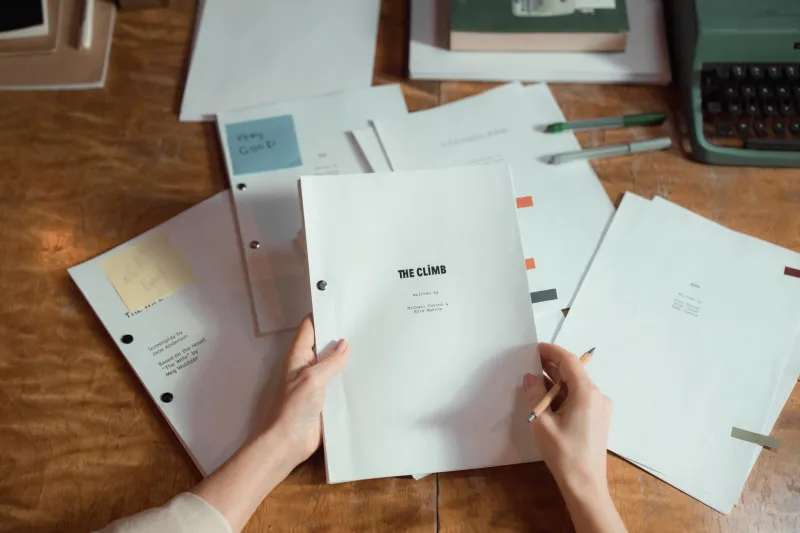
Most writers hide their rejection letters. I've kept mine for twenty years, and I think they're the most honest part of my archive. A walk through five of them — and what happened after each one landed.
A diner waitress in Ohio, a guy in a hardware store aisle, a seatmate from a delayed flight — none of them know they're in my work. Here's the paper trail anyway.
For years I wrote like someone I'd invented — all polish and no pulse. Then a single paragraph in my own voice changed everything I thought a 'real writer' was supposed to sound like.
I used to think my abandoned projects were failures. Turns out they're an inventory — and the most reliable idea generator I own.
A delayed flight, a diner counter, a hardware store line — twelve strangers, ten lessons, and a reminder that story material is everywhere if you shut up and listen.
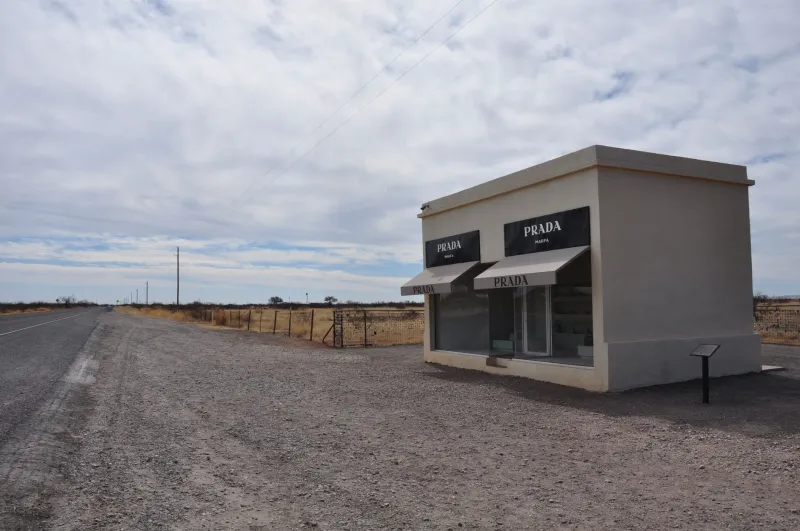
The world's largest ball of twine, a museum with no curator, a desert monument to nothing in particular — sometimes the fastest route to an original idea is a two-lane highway and no plan. Ron recounts the oddball landmarks that jump-started his best work.