The Letter I Left in the Kitchen Drawer of My Childhood Home
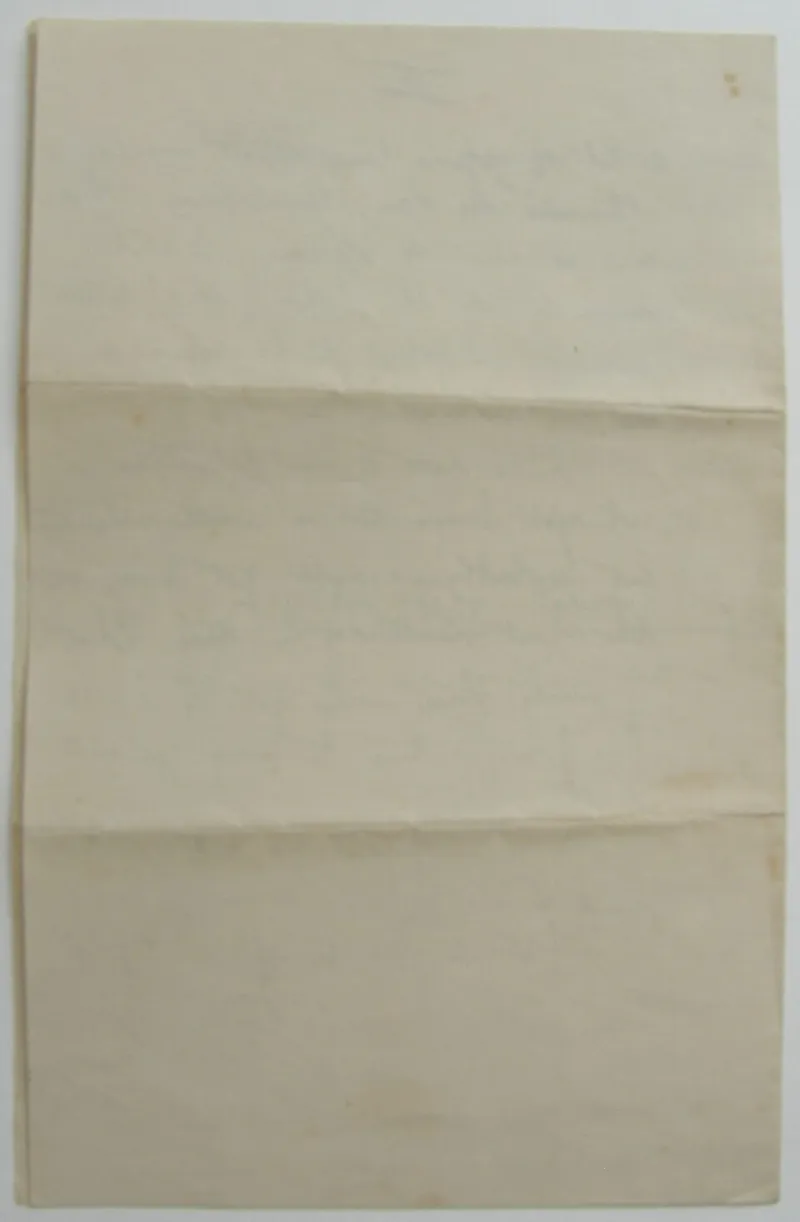
Photo: Len Shaw, CC BY 4.0, via Wikimedia Commons
The listing photos showed up in my inbox on a Tuesday, courtesy of my mom, who has never met a Zillow alert she didn't forward.
There it was. The house on Kestrel Lane. Two stories, three bedrooms, a backyard with the fence my dad built the summer I turned nine. The realtor had staged it with one of those generic throw pillows that says "HOME" on it, which felt like an insult to everything that actually happened there.
The house sold fast. And about a week before closing, I did something I'd been chewing on for a month: I wrote a letter to the strangers who were about to own the place I grew up in.
Why a Letter, of All Things
I'm a writer, so maybe this was inevitable. When I don't know what to do with a feeling, I put it on paper. But this one took three drafts — which, for a letter no one asked for, felt excessive.
The first draft was a eulogy. Too much. Nobody wants a stranger weeping at them through the mailbox.
The second draft was a user's manual. Where the good light falls in the morning, which cabinet hinge sticks, the trick to the basement drain. Useful, but bloodless.
The third draft was the honest one. It said: I grew up here. You don't owe me anything. But if you ever wonder about the scuff marks at the top of the stairs — those are from a sled, and it was worth it.
The Drawer Wasn't Random
I folded the letter and tucked it into the back of the kitchen junk drawer, behind a manual for a blender we threw out in 2011.
Every house has a drawer like that. Nobody designs it. It just accretes — rubber bands, birthday candles, a screwdriver that fits nothing you own. It's the one drawer a new owner won't clean out for at least a year, because you don't throw away a drawer you don't understand yet.
That's the whole trick. I wasn't hiding the letter. I was letting the house do the hiding for me.
Houses Are Storykeepers, Not Real Estate
Here's what I kept coming back to while I wrote: a house holds everything you did in it, whether you write it down or not. The pencil marks on the doorframe. The burn ring on the deck from a fire pit that was definitely not permitted. Houses remember.
But nobody ever tells the next person. We hand over the keys and the disclosures and say nothing about the night the power went out and the whole family ate cold pizza by flashlight in the living room like it was a camping trip.
That felt like a gap worth filling. Not because my memories matter to these strangers — they don't, and shouldn't — but because knowing a place has history changes how you live in it. I'd want to know. So I told them.
What I Actually Wrote
The whole thing fit on one page. The essentials:
- The sled scuffs (non-negotiable)
- The fact that the kitchen window catches the best light around 4 p.m. in October
- A warning that the third stair creaks, and no, it can't be fixed, and no, you shouldn't try
- One sentence about my dad's fence, which I kept deliberately short because I knew it wouldn't survive being short if I said more
I didn't sign my full name at first. Then I did. Felt wrong to be a ghost about it.
What This Has to Do With Anything Else I Make
I've been turning this over for weeks now, and I think the letter was practice for something bigger. Every creative person leaves things behind — stories, songs, that weird mural in the break room. We almost never get to tell the next person what it meant.
Most of the time we don't get to tuck a note in the drawer. The reader finds the scuff marks and has no idea a sled was involved.
So when you do get the chance — say the thing. Write the letter. Explain the weird detail. Leave the drawer note even if you'll never know if it's found.
I have no idea whether the new owners have found it yet. Maybe they threw it out with the blender manual on day one. Maybe it's back there right now, waiting for a slow Sunday and a bored teenager rummaging for batteries.
Either way, it's the house's problem now. And honestly? It was the best thing I've written all year.