The Rejection Letter That Read My Story Better Than I Did
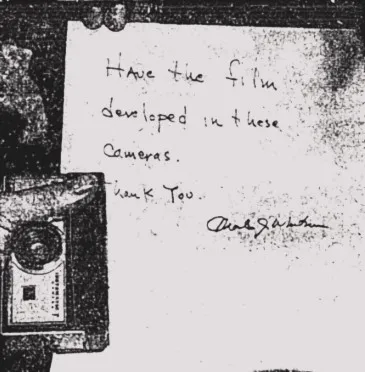
Photo: Press photographer., Public domain, via Wikimedia Commons
I've got a shoebox in my closet with eleven years of rejections in it. Novel fragments, short stories, essays — all of them turned down by magazines, agents, and one very memorable literary journal in Iowa that rejected me twice for the same story under two different titles. (They didn't notice. I did. That stung in its own special way.)
Most of those letters are exactly what you'd expect. "Not right for us at this time." "We received an unprecedented number of submissions." The polite form rejection is the participation trophy of the writing world, and I've got a whole trophy case.
But one of them is different. And I want to talk about it, because I think most of us get one of these eventually and don't realize what we're holding.
The Line That Wasn't on the Form
This particular rejection came from a well-regarded magazine back in 2016. The first four-fifths of the letter was standard boilerplate — I could have recited it myself. But at the bottom, in blue ink, someone had handwritten a single sentence:
"Your narrator notices everything except what the story is actually about."
I want to tell you I read that line and had an epiphany on the spot. I did not. I got defensive. I read it four more times, got angrier each time, and then went to a diner near my apartment in Columbus and ate an unreasonable amount of hash browns while composing rebuttals to a stranger who would never hear them.
The anger lasted about two weeks. Then, somewhere around week three, I made the mistake of picking the story back up to prove the editor wrong.
They were right.
What "Noticing Everything Except the Point" Actually Meant
Here's what I found when I reread my own story with that line taped to the top of my monitor: my narrator was a tour guide. She described the weather, the wallpaper, the way light hit the kitchen linoleum — everything except the thing she'd done that she couldn't take back. The actual wound of the story.
I had dressed the whole thing up in atmosphere because looking directly at the center of it made me uncomfortable. And readers — or at least one tired editor with a blue pen — could smell the deflection from a mile away.
This, I've since learned, is not just my problem. It's a super common shape of avoidance. Writers circle the true subject the way you'd circle a dog you're not sure about. We write around the story because writing into it costs something.
The Questions I Ask Now Before Calling Anything Finished
That rejection rewired my revision process. Before I send anything out anymore, I run it through four checks:
1. What is the one thing my narrator won't say out loud? If I can't identify it, I haven't found the story yet. If I can identify it, I'd better make sure the story eventually faces it.
2. Where am I being the most stylish? Nine times out of ten, my best-sounding sentences are hiding the worst-kept secrets. Gorgeous prose can be a smoke machine.
3. What would the meanest, smartest reader say this is really about? Not the kindest reader. The mean one. The one with the blue pen.
4. Am I bored anywhere I'm being vague? Vagueness and boredom are usually the same animal wearing different fur.
Form Rejections Can Hide Real Notes
Here's the other thing worth saying: handwritten critiques on rejections are rare, but they're not the only source of truth. Sometimes the pattern of form rejections is the message. If a piece gets twenty personalized "almosts" and then a wall of forms, the wall is telling you something too. So is the piece that gets rejected fast versus the one that gets held for four months and then declined. Holding means somebody argued for it in a room you weren't in.
I'm not going to tell you every rejection is a gift. Most of them are just a form letter and a flat feeling. But once a decade or so, one of them hands you the exact sentence you needed and couldn't have written about your own work, because you were too close to the smoke to see the fire.
That blue-ink line is framed now. It hangs above the desk where I write, right next to a Post-it that says "Don't be the tour guide." It cost me one story, one bruised ego, and two weeks of hash-brown-fueled resentment.
Cheap, honestly, for what it bought.
If you've got a shoebox of rejections somewhere, go pull out the one that made you the maddest. Sit with it. The anger is a flare marking where something true got through. Your best editor might be someone who said no.